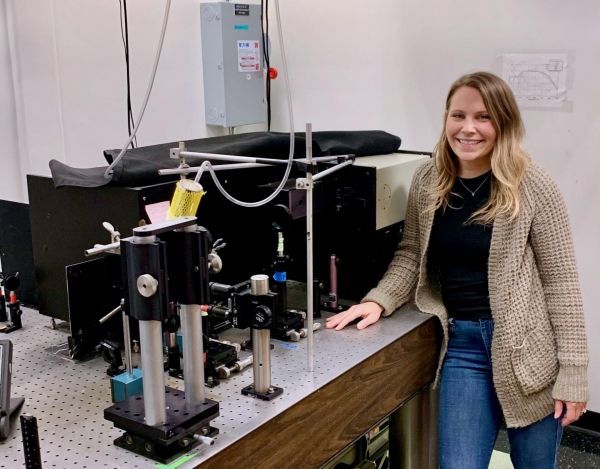
A “tantalizing” principle borrowed from nature turns harmful methane into useful methanol at room temperature.
 ENN
Environmental News Network -- Know Your Environment
ENN
Environmental News Network -- Know Your Environment

A “tantalizing” principle borrowed from nature turns harmful methane into useful methanol at room temperature.
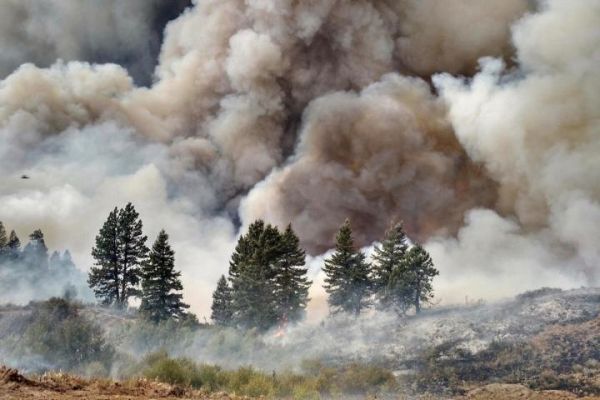
Wildfire smoke may greatly increase susceptibility to SARS-CoV-2, the virus that causes COVID-19, according to new research from the Center for Genomic Medicine at the Desert Research Institute (DRI), Washoe County Health District (WCHD), and Renown Health (Renown) in Reno, Nev.

U.S. corn and soybean varieties have become increasingly heat and drought resistant as agricultural production adapts to a changing climate.

More than 100 countries, including the United States and members of the European Union, have committed to net-zero carbon emissions by 2050.
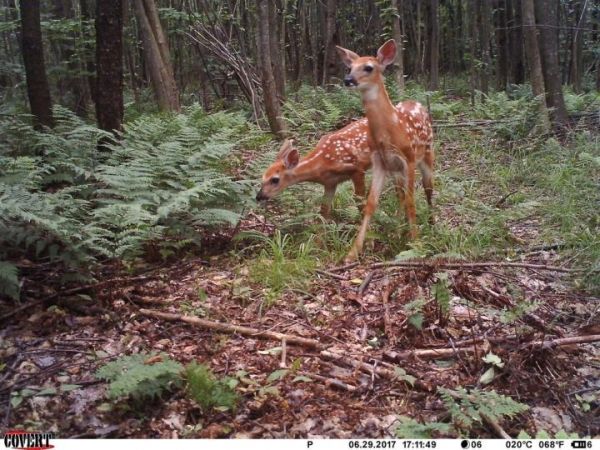
Burnout. It is a syndrome that is said to afflict humans who feel chronic stress.
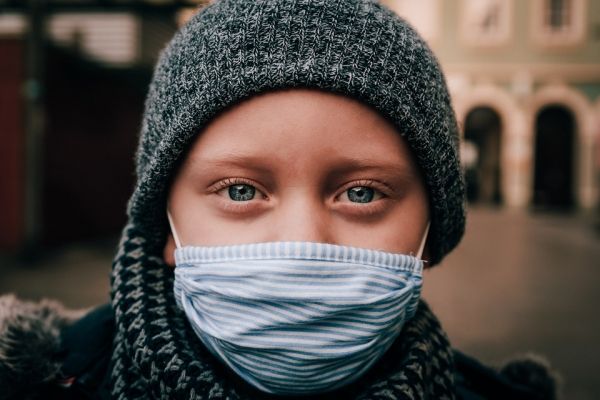
Although the risk of a child being admitted to hospital due to COVID-19 is small, a new UK study has found that around 1 in 20 of children hospitalised with COVID-19 develop brain or nerve complications linked to the viral infection.