

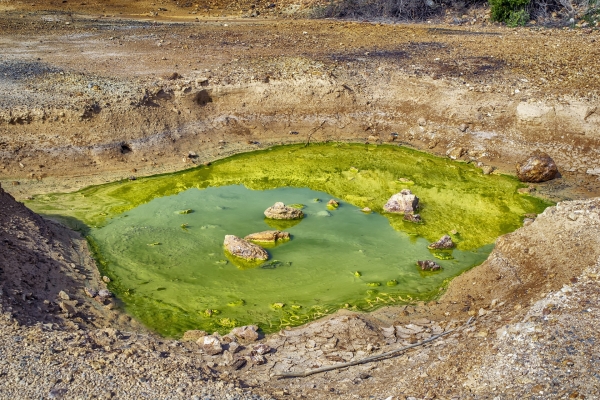
Over many decades, coal mining in West Virginia has exposed sulfur-bearing rocks to oxygen, creating a widespread problem that continues to plague the region: the draining of highly acidic water into streams and creeks, which are then rendered lifeless.
Over many decades, coal mining in West Virginia has exposed sulfur-bearing rocks to oxygen, creating a widespread problem that continues to plague the region: the draining of highly acidic water into streams and creeks, which are then rendered lifeless.
But a relatively new process developed by researchers at West Virginia University and Virginia Tech is providing hope for some waters plagued by acid mine drainage. The method, which captures the rare earths liberated by the fugitive sulfuric acid, not only cleans the streams. It also generates revenue to pay for the cleanup and provides a sustainable source of the critical metals needed to manufacture electric vehicles, wind turbines, and other technologies propelling the global transition from fossil fuels.
Three pilot facilities in West Virginia are each currently producing four to five tons of rare earth oxides a year. A larger facility is under construction at the enormous Berkeley Pit, a shuttered open-pit copper mine in Butte, Montana, where a company aims to produce 40 tons of rare earths a year from the pit’s billions of gallons of toxic wastewater. Combined with the output of other planned re-mining operations, such efforts, experts say, could obviate the need for new mines.
Read More at: Yale Environment 360
Photo Credit: ELG21 via Pixabay


