

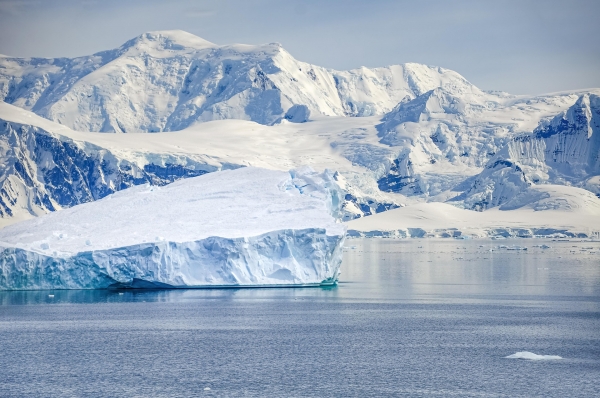
As glaciers around the world continue to shrink and disappear, they are drawing more visitors than ever, not only for their beauty but for what they have come to represent in an era of climate change.
As glaciers around the world continue to shrink and disappear, they are drawing more visitors than ever, not only for their beauty but for what they have come to represent in an era of climate change. A new study co-authored by Rice University anthropologist Cymene Howe examines this phenomenon, showing how melting glaciers have become powerful destinations for tourism, sites of collective grief and symbols of political meaning even as their loss threatens the communities that depend on them.
Published in Nature Climate Change, the paper draws on global case studies to examine how glaciers now occupy multiple roles at once — as fragile landscapes, economic engines and focal points for climate awareness — often creating tensions between conservation, livelihood and environmental responsibility.
“The global loss of glaciers is reason to both mourn and celebrate them. But it also demands that we address the fact that climate change is killing our glaciers,” Howe said.
Read More at: Rice University
Photo Credit: AlKalenski via Pixabay


