

Microscopic particles of plastic have been found across the Earth, from the clouds over Mount Fuji to the bottom of the Mediterranean Sea.
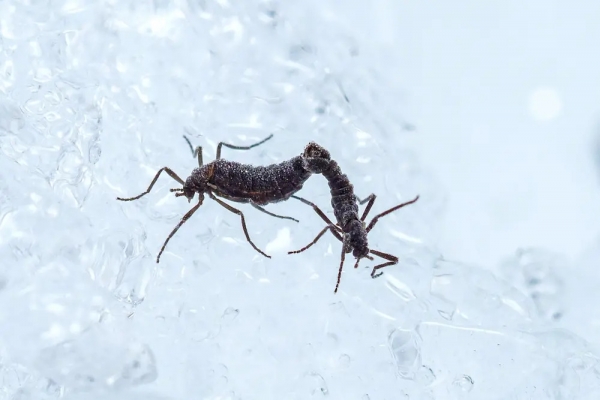
Microscopic particles of plastic have been found across the Earth, from the clouds over Mount Fuji to the bottom of the Mediterranean Sea. Now, scientists have found microplastics in the bellies of Antarctic midges, the only insects found exclusively in Antarctica.
Microplastics are shed by synthetic fabrics and rubber tires, or by plastic bags, bottles, and other goods as they break down. Carried by winds or ocean currents, these plastic particles have been scattered across Antarctica and are now showing up in snow and seawater. There is some evidence that penguins and seabirds are consuming microplastics, and, according to a recent study, so are Antarctic midges.
For the study, researchers examined 40 midge larvae gathered from around the Antarctic Peninsula and analyzed the contents of their guts. While scientists detected just two plastic fragments in the dozens of larvae studied, they say the results are striking given that plastic pollution is so much scarcer in Antarctica than across the rest of the planet.
Read More: Yale Environment 360
Image: Adult Antarctic midges. Yuta Shimizu / Osaka Metropolitan University


