
Nobody likes driving in a blizzard, including autonomous vehicles.
 ENN
Environmental News Network -- Know Your Environment
ENN
Environmental News Network -- Know Your Environment

Nobody likes driving in a blizzard, including autonomous vehicles.
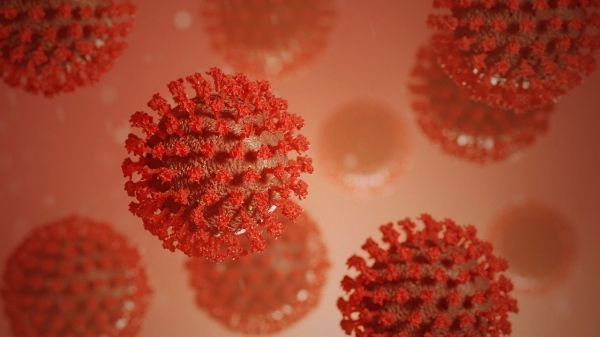
The drug diABZI — which activates the body’s innate immune response — was highly effective in preventing severe COVID-19 in mice that were infected with SARS-CoV-2, according to scientists in the Perelman School of Medicine at the University of Pennsylvania.

Tiny charged electrons and protons which can damage satellites and alter the ozone have revealed some of their mysteries to University of Otago scientists.
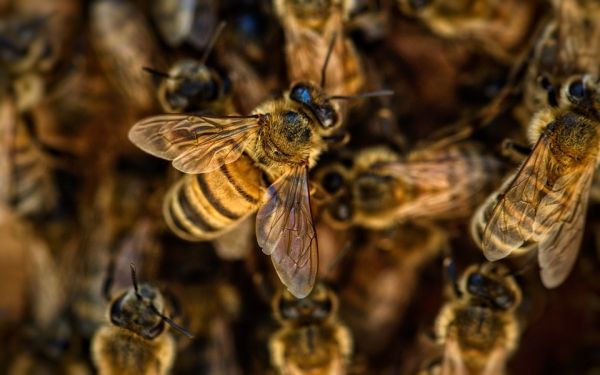
Pollinators are under threat worldwide. Researchers such as Dr Margaret Couvillon study bees to find solutions that will benefit the survival of pollinators.
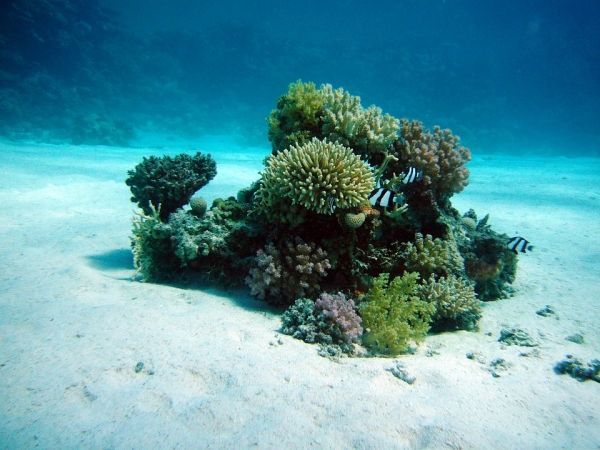
Corals that withstood a severe bleaching event and were transplanted to a different reef maintained their resilient qualities, according to a new study led by Katie Barott of the School of Arts & Sciences.
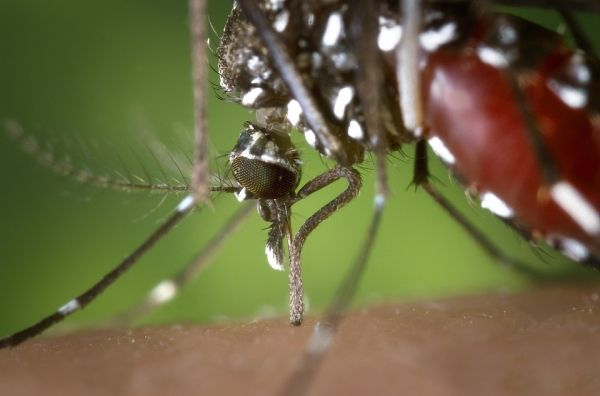
Climate change will make outbreaks of West Nile virus more likely in the UK within the next 20-30 years, scientists say.



