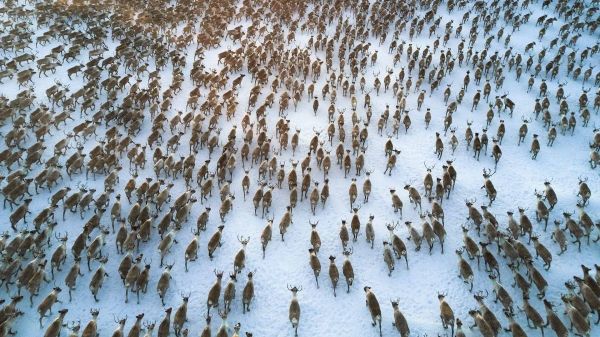
From when they give birth to the timing of their migrations, animals are responding in unexpected ways to changes in their environment.
 ENN
Environmental News Network -- Know Your Environment
ENN
Environmental News Network -- Know Your Environment

From when they give birth to the timing of their migrations, animals are responding in unexpected ways to changes in their environment.
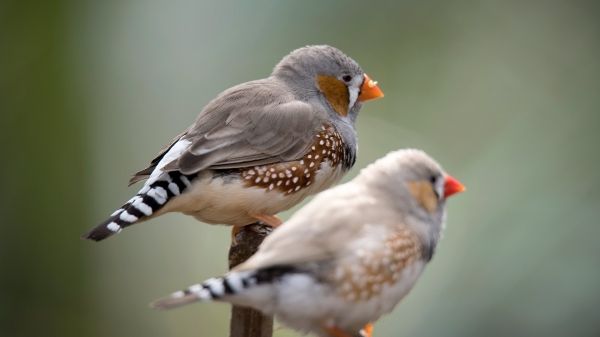
How exactly do birds “talk” to one another? And how can birdsong research help us understand communication in humans, too?
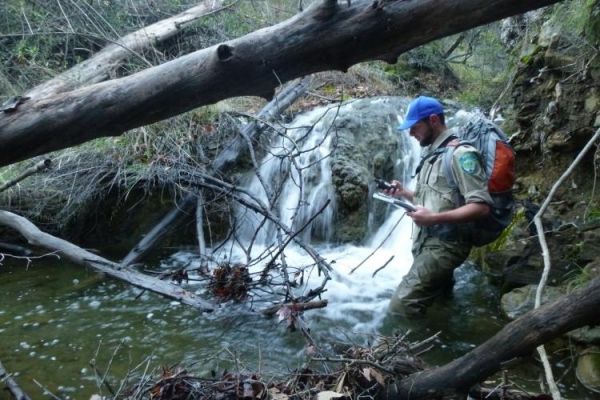
This Veterans Day, join us in honoring military veterans who have served in the United States Armed Forces and learn how NOAA and our partners work with veterans to build a community of habitat restoration practitioners across the nation.
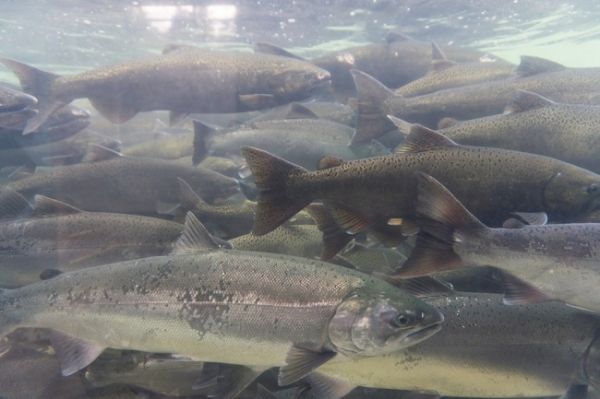
The University of Glasgow has received funding to repurpose drugs that are currently used to treat some parasitic diseases in humans – Sleeping Sickness, Chagas Disease and Leishmaniasis – to manage amoebic gill disease in Atlantic salmon.

Mars once had oceans but is now bone-dry, leaving many to wonder how the water was lost.
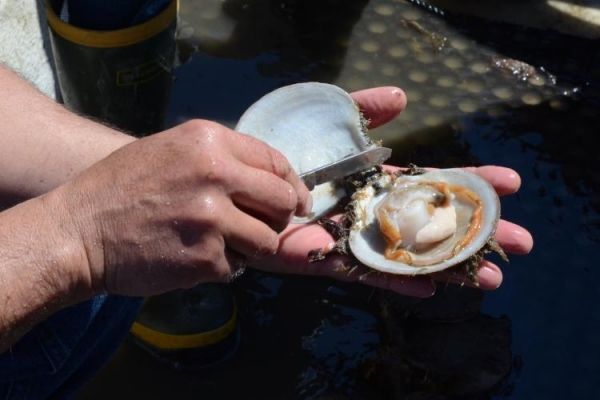
Enterprising fishermen have been developing sea scallop aquaculture in Maine with technology adapted from Japan. Recently, NOAA Fisheries scientists conducted a study to help with site selection.



