Marine carbon dioxide removal (CDR) has advanced significantly, with growing research activity, technological development, private-sector involvement, and movement toward field testing, but major questions remain about whether these approaches can remove carbon dioxide at meaningful scales, how that removal can be reliably measured and verified, potential environmental effects, and how marine CDR should be governed, says a new digital report from the National Academies of Sciences, Engineering, and Medicine.
articles
Siberia's Growing Methane Threat Could Offset 20% of Global Methane Reduction Targets by 2050
The Arctic is warming at an accelerating pace.
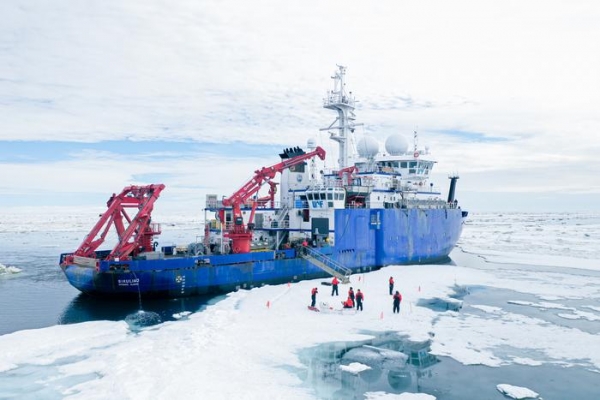
Currents in an Arctic Sea Accelerate the Sinking of Carbon-Carrying Phytoplankton
Documenting the seasonal fate of these tiny marine organisms is a step toward understanding how ecosystems in the world's fastest-warming region may change as ice recedes.
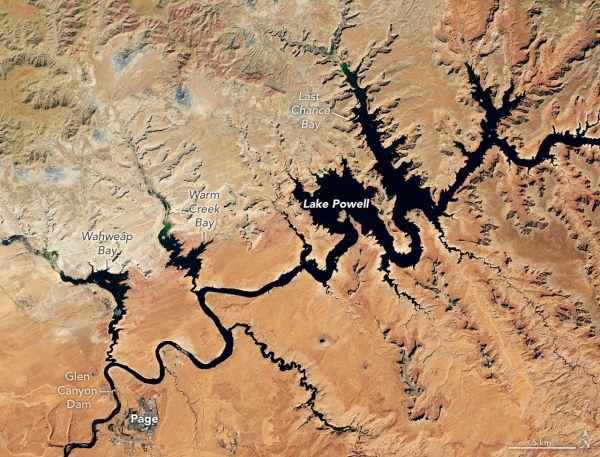
Lake Powell Drops to Record-Low Levels
The effects of a meager mountain snowpack across the Upper Colorado Basin in winter 2025-2026 had made their way downstream to Lake Powell by summer.
Delaying Cherry Blossom to Reduce Frost Damage
A new study found more than half of the city’s bike-share trips replace car trips, with each bike reducing annual CO2 emissions by up 120 kilograms (kg) per year.
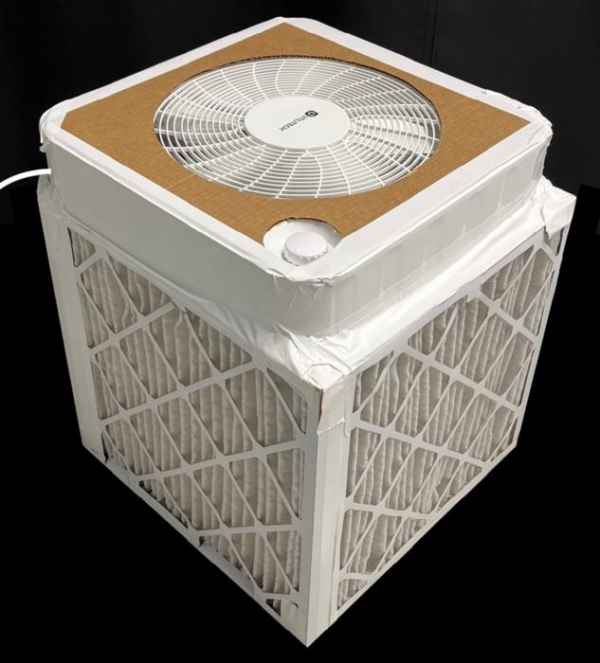
DIY Filter Systems Improve Air Quality in Classrooms
Tests in university classes show that simple, low-cost systems can remove airborne particles with little disruption from fan noise.