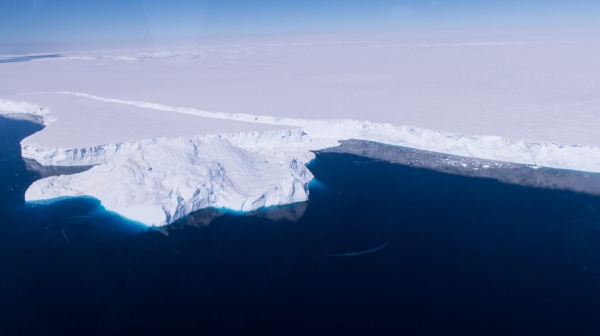
Between 2021 and 2023, Antarctica appeared to be growing.
 ENN
Environmental News Network -- Know Your Environment
ENN
Environmental News Network -- Know Your Environment

Between 2021 and 2023, Antarctica appeared to be growing.

During sunny and sweltering summer days, much relief comes from sweat.
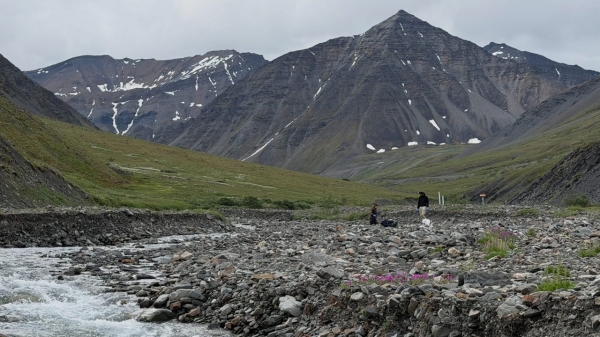
A University of New Mexico research team spent several weeks in northern Alaska this summer studying how permafrost thaw may be changing water quality and the movement of carbon through Arctic watersheds.
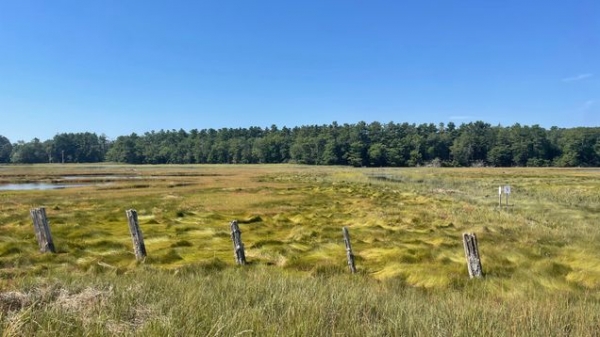
Growing up in New Jersey, Emily Wilson regularly passed tidal marshes without giving them much thought. They were part of the coastal landscape—stretches of green and blue she saw from the road.
It wasn’t until she began studying environmental science as an undergraduate that she realized how remarkable they were—plants thriving in salty, waterlogged environments amidst the constant ebb and flow of tides.
Today, as a Boston University PhD candidate in Earth & Environment, Wilson studies those same ecosystems—and has discovered that the plants she once drove past may hold important information to more accurately track the global climate.
Read more at: Boston University
Photo Credit: Emily Wilson, Boston University
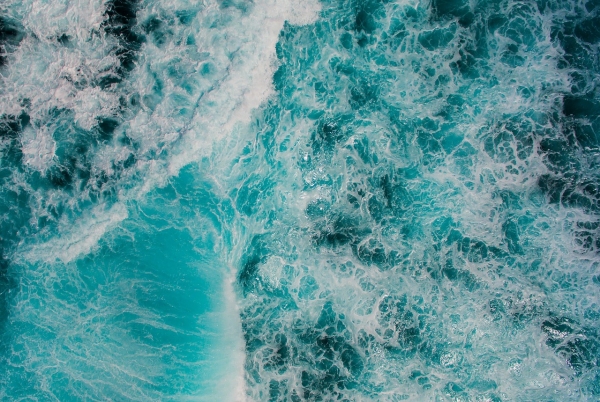
Researchers have pinpointed the source of oxygen that sustains deep sea life in the North Atlantic Ocean: the churning waters in the Labrador Sea.
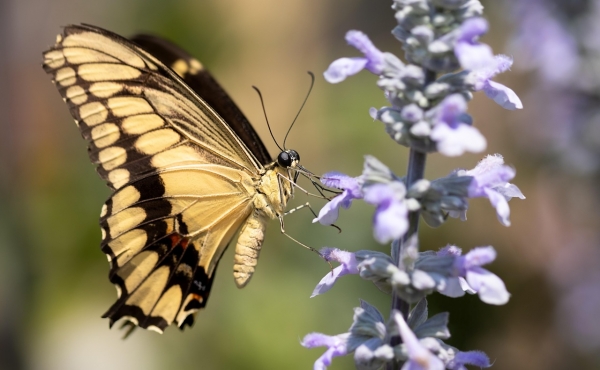
How are butterflies in the Alps responding to rising temperatures?