
El Niño, a phase marked by warm waters in the eastern Pacific, will likely return this year, driving up global temperatures, according to the World Meteorological Organization.
 ENN
Environmental News Network -- Know Your Environment
ENN
Environmental News Network -- Know Your Environment

El Niño, a phase marked by warm waters in the eastern Pacific, will likely return this year, driving up global temperatures, according to the World Meteorological Organization.
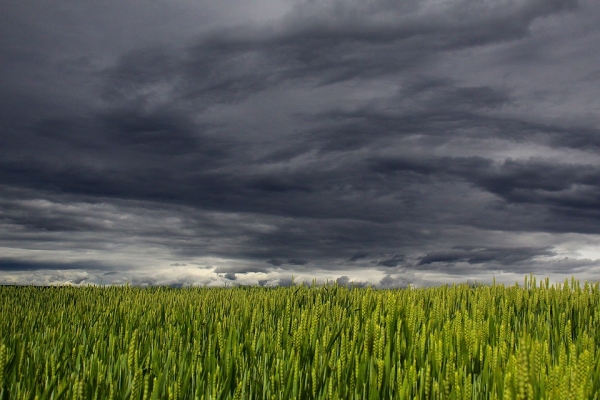
Scientists have warned of the “devastating” impact that fungal disease in crops will have on global food supply unless agencies across the world come together to find new ways to combat infection.
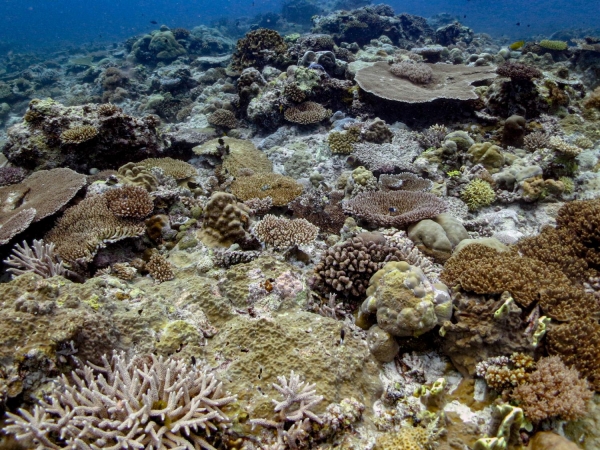
In the face of global warming and other environmental changes, corals in the Atlantic Ocean have declined precipitously in recent years, while corals in the Pacific and Indian Oceans are faring better.
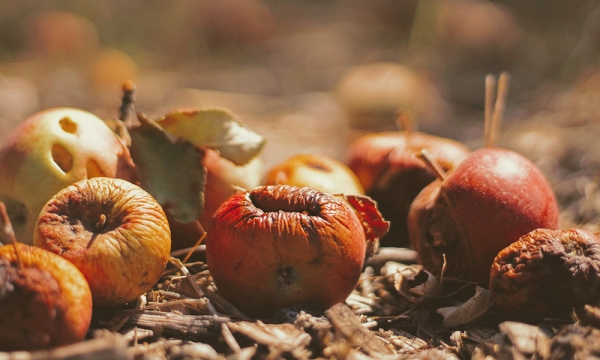
When Doc Brown fed his DeLorean food scraps in Back to the Future as fuel, it seemed like crazy science fiction.
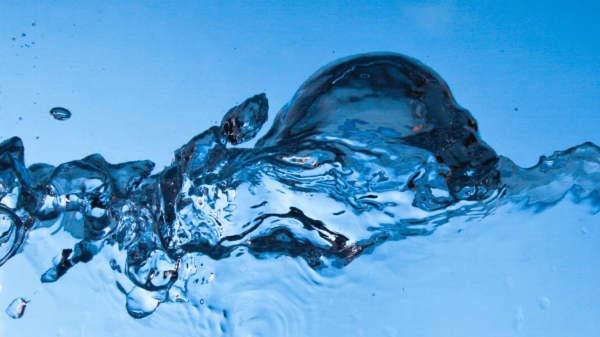
Water isn’t just a universal solvent that remains unaffected by its interactions.

The advanced air mobility sector, which includes electric-powered urban and regional aircraft, may become a $1.5 trillion market by 2040.