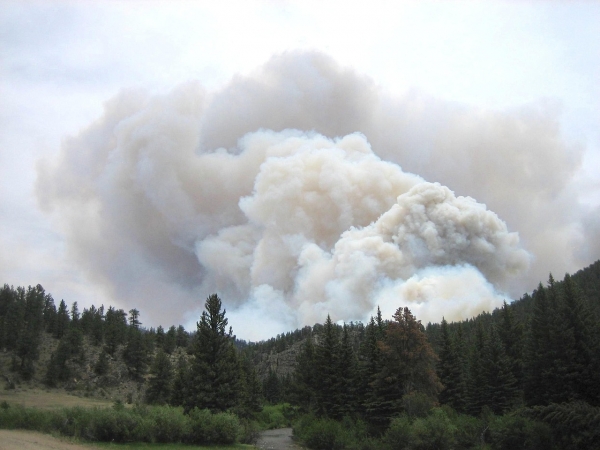
For ecosystems, a forest fire does not end where the flames stop.
 ENN
Environmental News Network -- Know Your Environment
ENN
Environmental News Network -- Know Your Environment

For ecosystems, a forest fire does not end where the flames stop.
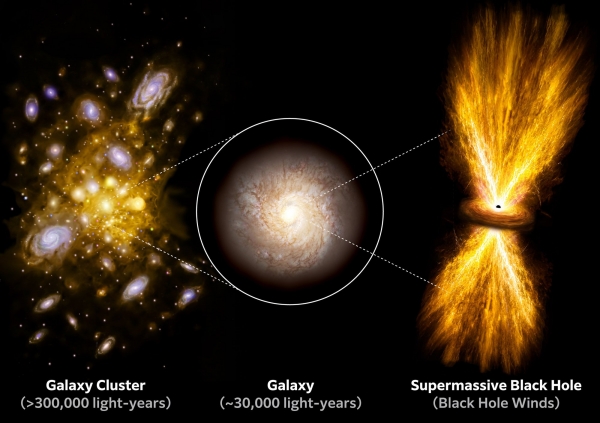
A team of researchers has discovered that the winds generated by supermassive black holes are 100 times more powerful than previously thought, carrying energy across distances of approximately 300,000 light-years.
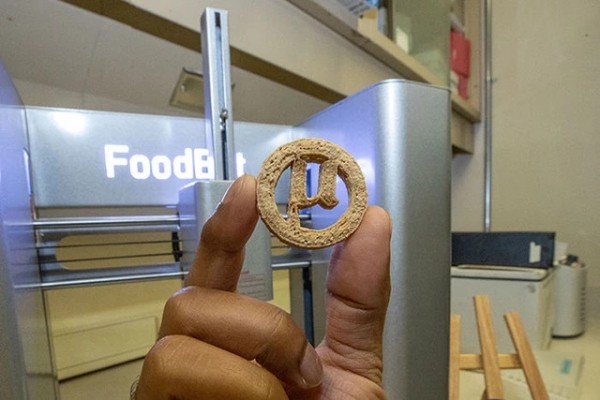
Specialized microbes transform inedible material into protein-rich snacks.
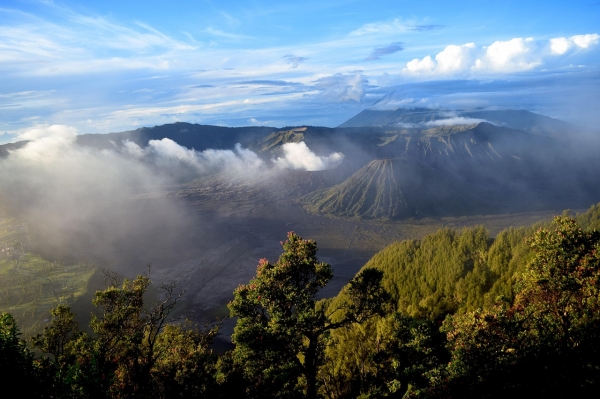
A new study that combines paleoclimate data and climate models suggests that large volcanic eruptions can disrupt the relationship between atmospheric circulations of the tropical Indian and Pacific oceans.
Surface cleaners remove germs and grime, but their fragrances react with indoor ozone to form nanoparticles at levels rivaling that of city traffic.
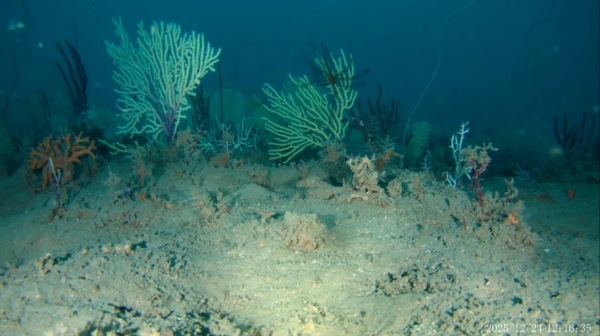
Scientists in search of coral reef barriers which had been detected but not investigated in the 1960s, and were thought to be dead, discovered an apparently thriving ecosystem of deep-water corals.