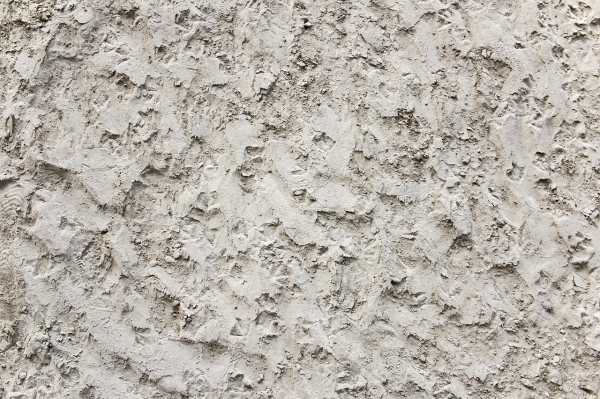
Waste that would otherwise end up in landfill could help low-carbon cement production by reducing the industry’s reliance on fossil fuels, according to Australian researchers.
 ENN
Environmental News Network -- Know Your Environment
ENN
Environmental News Network -- Know Your Environment

Waste that would otherwise end up in landfill could help low-carbon cement production by reducing the industry’s reliance on fossil fuels, according to Australian researchers.
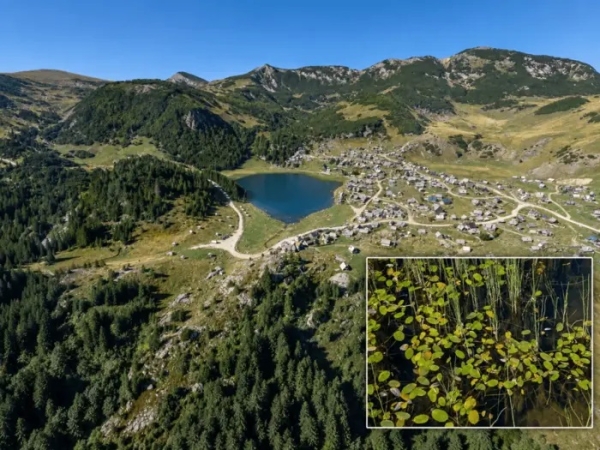
The research was led by Enikő Magyari, a researcher at the Department of Environmental and Landscape Geography, ELTE Faculty of Science, and head of the DOMINO-CLIMATE Élvonal project.

When Environment and Climate Change Canada (ECCC) urged Montrealers to limit outdoor activity during Canada’s worst wildfire smoke episodes, the city’s travel patterns shifted – but far less than public health officials might have hoped, according to a new McGill University study.
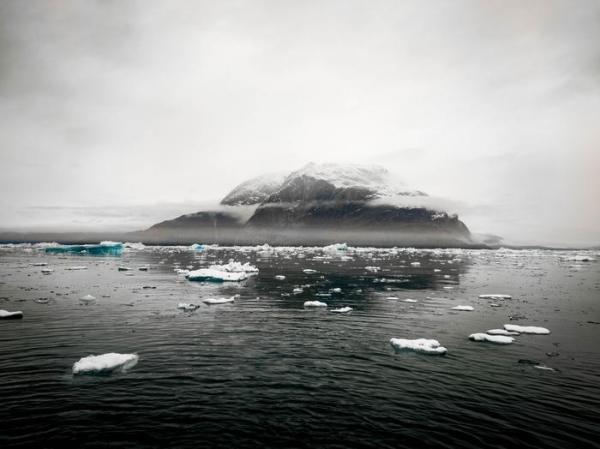
Based on aerosol–cloud interaction, the Arctic region is composed of three distinct ‘regimes’, as demonstrated in a study published in the Nature Geoscience journal.

New research from The University of Texas at Austin suggests that exercising more frequently — ideally every day — could improve sleep quality, particularly the kind of deep, restorative sleep that supports better mood and mental health.
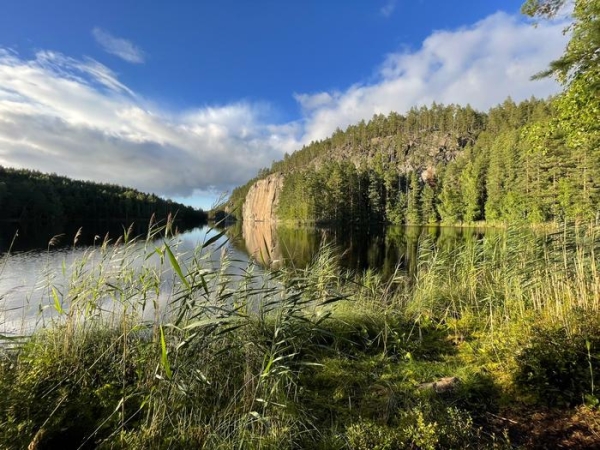
Researchers at the University of Helsinki wanted to understand which is the dominant factor for species occurrence and abundance: the climate or habitat-related variables, such as their natural state and the share of land shaped by human activity.



