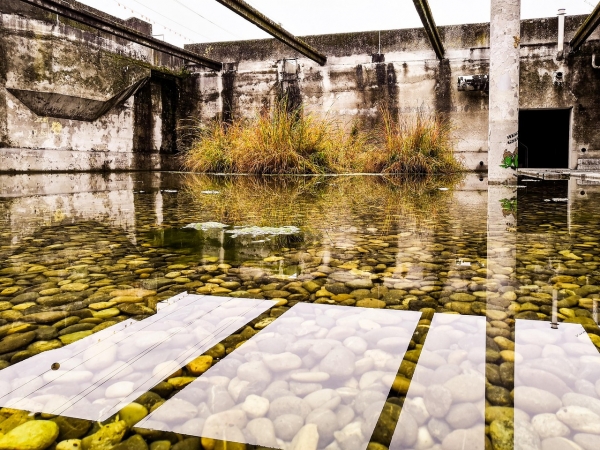
Levels are “three times higher than what we’re allowed to shower in, or drink,” UMass Amherst researcher says.
 ENN
Environmental News Network -- Know Your Environment
ENN
Environmental News Network -- Know Your Environment

Levels are “three times higher than what we’re allowed to shower in, or drink,” UMass Amherst researcher says.

Artificial intelligence shows promise for supporting physicians, but patient health questions are best left to human doctors, according to Penn State researchers.
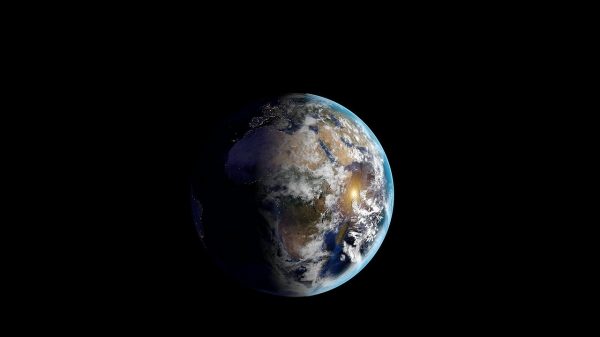
Reducing methane emissions will slow climate change but could also slow the recovery of the stratospheric ozone layer, new research from the University of Reading shows.
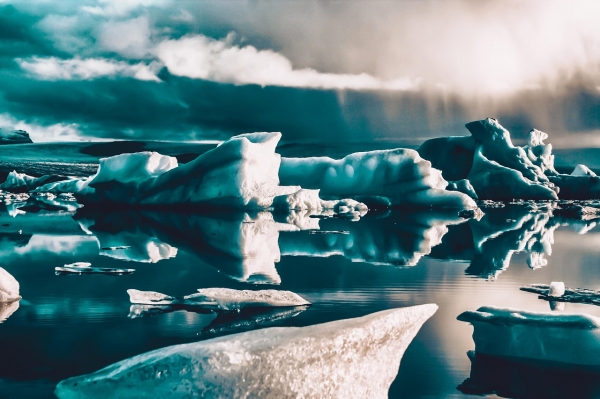
A new study published in the journal Nature Geoscience by researchers at the IBS Center for Climate Physics (ICCP) at Pusan National University in South Korea shows that the Antarctic ice sheet became more sensitive to climate forcing following a major shift in Earth’s ice age cycles about one million years ago, providing new insight into how ice sheets respond to long-term climate change.
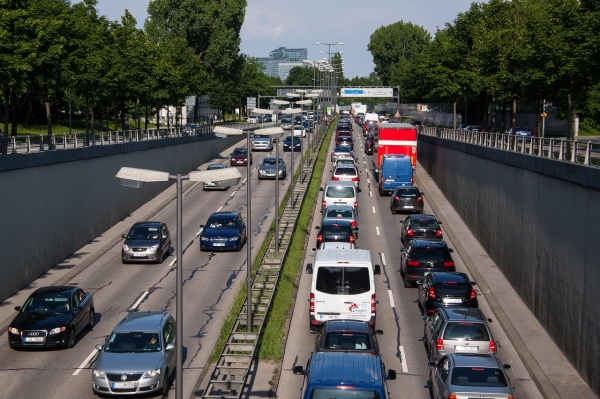
Urban planning needs to tackle greenhouse gas emissions – and an important way to achieve this is by reducing the number and length of car commutes.
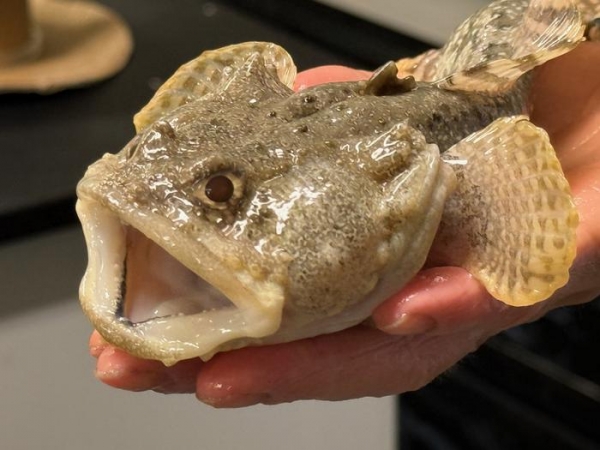
A fish–microbe partnership may produce minerals that help shape the marine carbon cycle.