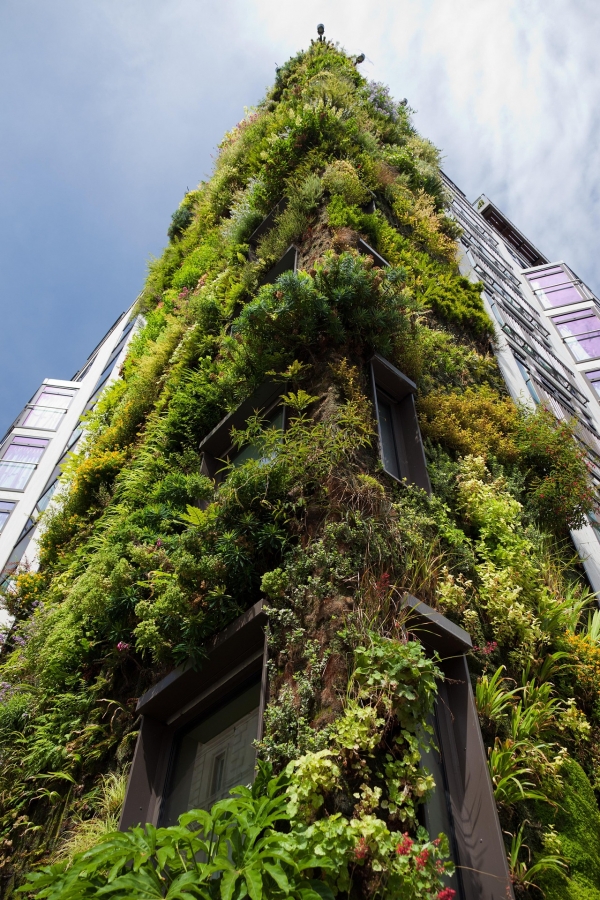
A living laboratory at the University of Hawaiʻi at Mānoa’s Magoon Research and Education Station is exploring ways to cool buildings and homes without expensive electricity bills while increasing local food production.
 ENN
Environmental News Network -- Know Your Environment
ENN
Environmental News Network -- Know Your Environment

A living laboratory at the University of Hawaiʻi at Mānoa’s Magoon Research and Education Station is exploring ways to cool buildings and homes without expensive electricity bills while increasing local food production.
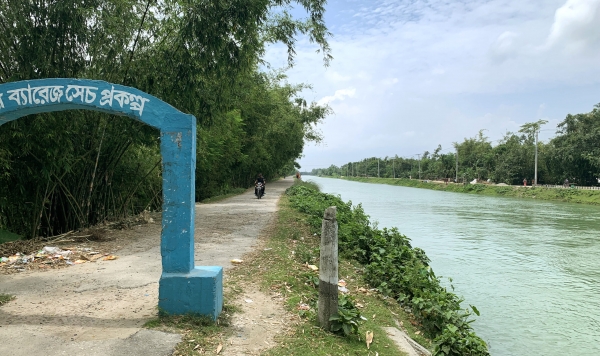
Irrigation canals form a sort of circulatory system for global agriculture. Across the world, millions of kilometers of human-made canals carry water from lakes, rivers and reservoirs downhill to farmland.
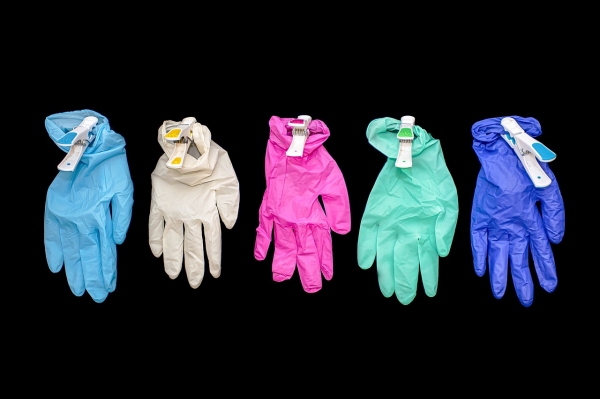
University of Birmingham takes steps in tackling major sustainability challenge by collecting disposable laboratory gloves for recycling.
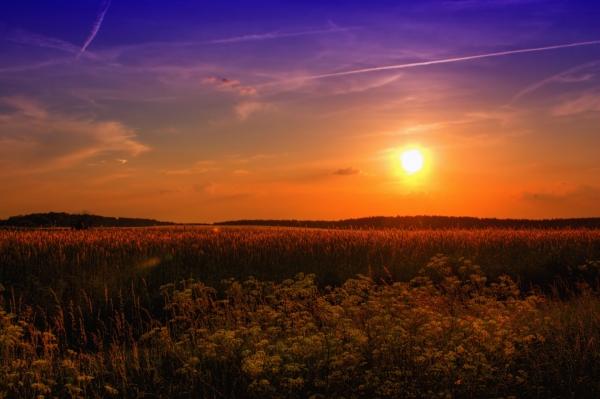
Some parts of the globe are not just heating up, but heating up faster than they were just a few decades ago. A new analysis reveals where warming has gained pace.
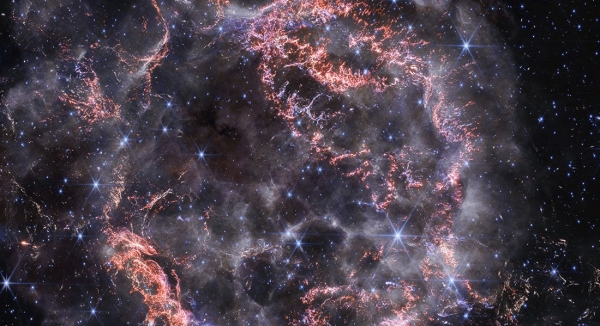
New research from the University of Copenhagen suggests that previously overlooked property of ghost particles may be a key part of the explanation for why some stars explode, while others collapse into black holes.
A few days of rain does not change the low groundwater levels after a long drought.



