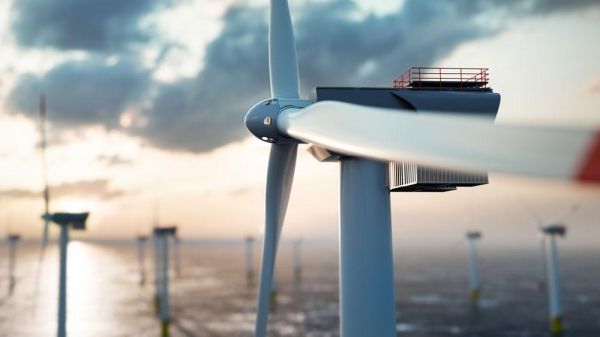
Texas A&M researchers are developing an ocean renewable energy station that could combine wind, wave, current and solar energy methods on a floating offshore platform.
 ENN
Environmental News Network -- Know Your Environment
ENN
Environmental News Network -- Know Your Environment
Texas A&M researchers are developing an ocean renewable energy station that could combine wind, wave, current and solar energy methods on a floating offshore platform.

Instead of converting solar light into electrical power for immediate use, Texas A&M's Christi Madsen envisions remoting light energy to another location optically by concentrating solar light.

Researchers have identified the key factors that influence a vital pattern of ocean currents.

A new study in Global Biogeochemical Cycles shows per-area greenhouse gas emissions from the world’s water reservoirs are around 29% higher than suggested by previous studies, but that practical measures could be taken to help reduce that impact.

Swedish researchers from institutions including Uppsala University have spent four years gathering data from the areas affected by the major forest fire of 2014.

In the deep waters that underlie the productive zones of the ocean, there is a constant rain of organic material called 'marine snow'.


