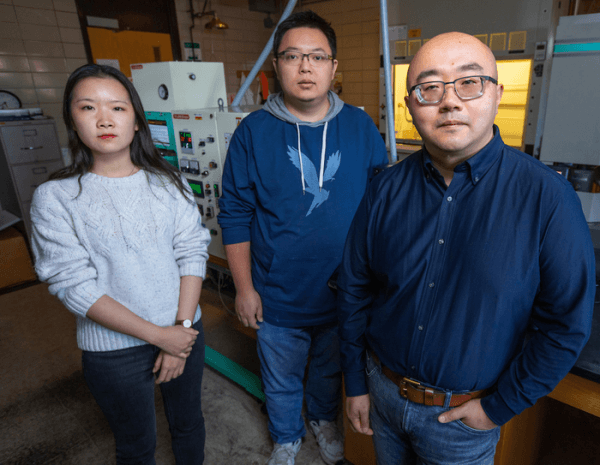
Methane, which produces more warming than other greenhouse gases and is the subject of newly announced U.S. emission restrictions, is hard to break down and keep out of the atmosphere.
 ENN
Environmental News Network -- Know Your Environment
ENN
Environmental News Network -- Know Your Environment

Methane, which produces more warming than other greenhouse gases and is the subject of newly announced U.S. emission restrictions, is hard to break down and keep out of the atmosphere.
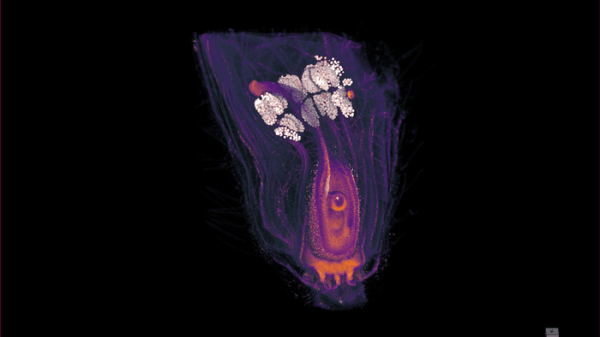
Measuring plant phenotypes, a term used to describe the observable characteristics of an organism, is a critical aspect of studying and improving economically important crops.

The coastal zone is home to over a billion people. Rising sea levels are already impacting coastal residents and aggravating existing coastal hazards, such as flooding during high tides and storm surges.
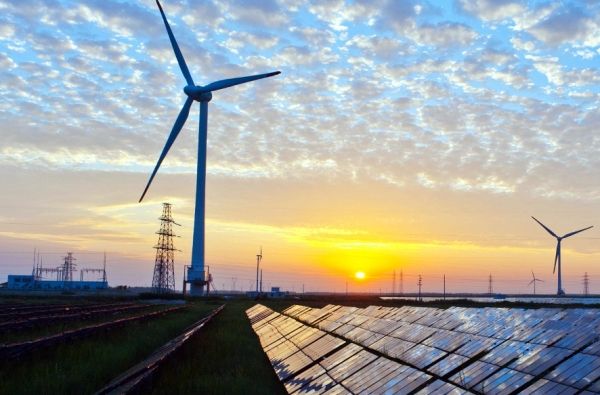
For some, visions of a future powered by clean, renewable energy are clouded by fears of blackouts driven by intermittent electricity supplies.
Most are aware that electrons are negatively charged particles that surround the nucleus of atoms and whose behaviour governs chemical interactions.
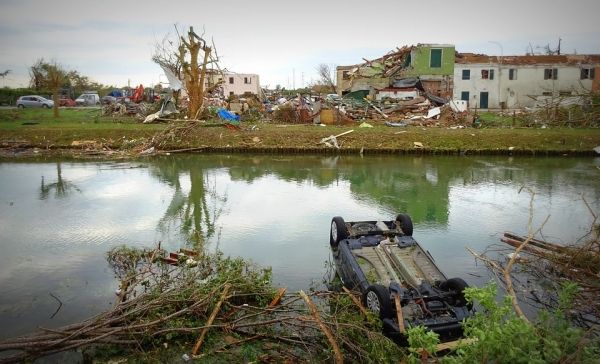
This past hurricane season was a pretty nasty one. With 21 storms from June 1 to November 30, for the second year in a row the National Oceanic and Atmospheric Administration ran out of names on their official list and had to swap over to a backup.