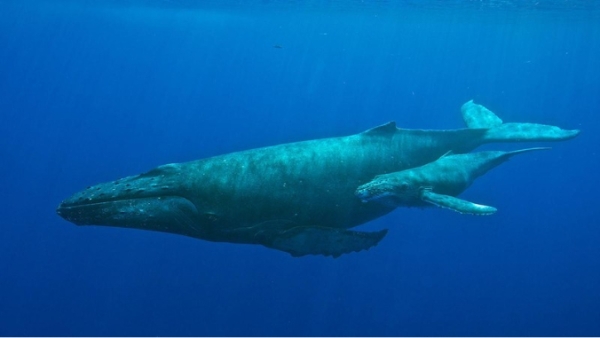
A new study led by University of Hawaiʻi at Mānoa researchers reveals how extreme ocean warming disrupts whale metabolism, nutrition and reproductive success, and what the 2026–27 El Niño could mean next.
 ENN
Environmental News Network -- Know Your Environment

A new study led by University of Hawaiʻi at Mānoa researchers reveals how extreme ocean warming disrupts whale metabolism, nutrition and reproductive success, and what the 2026–27 El Niño could mean next.
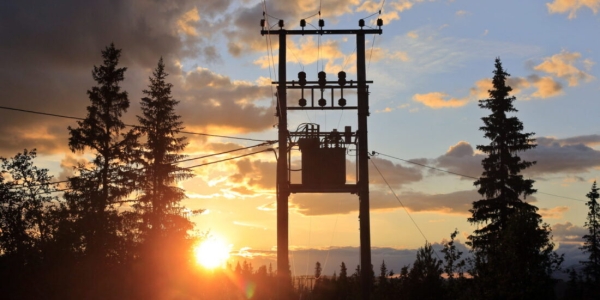
For some people, the overhead lines are a blight on the landscape; for others, they are a source of pride representing civilization and prosperity.
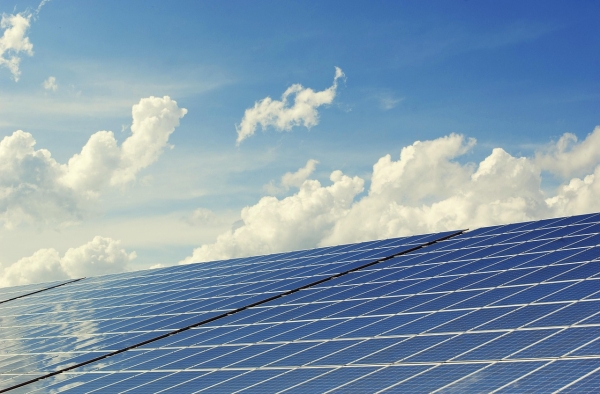
Global carbon emissions from fossil fuels are projected to decrease by 0.4% in 2026 – driven by expansion of solar and wind power and the Iran conflict – according to new research by the Global Carbon Project.
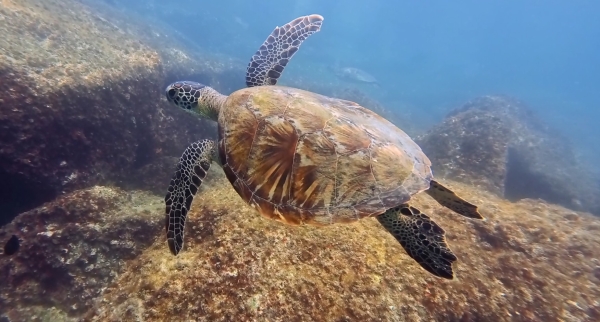
A protected wetland in the United Arab Emirates (UAE) has become an oasis for young sea turtles, new research shows.
While weather caused a greater loss of ozone this year, long-term recovery still on track.
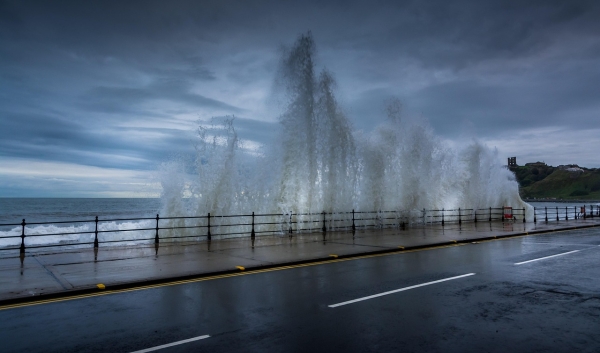
A new comprehensive study by researchers at the University of Hawaiʻi (UH) at Mānoa Climate Resilience Collaborative reveals that traditional sea-level rise models, that account only for rising ocean waters, drastically underestimate the true threat to coastal infrastructure on Oʻahu, Hawai‘i.