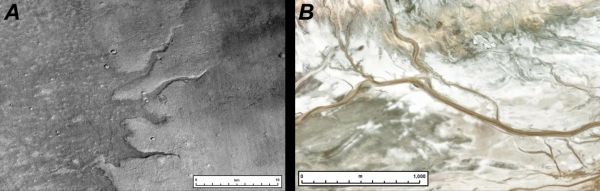
It took fifteen years of imaging and nearly three years of stitching the pieces together to create the largest image ever made, the 8-trillion-pixel mosaic of Mars’ surface.
 ENN
Environmental News Network -- Know Your Environment
ENN
Environmental News Network -- Know Your Environment

It took fifteen years of imaging and nearly three years of stitching the pieces together to create the largest image ever made, the 8-trillion-pixel mosaic of Mars’ surface.
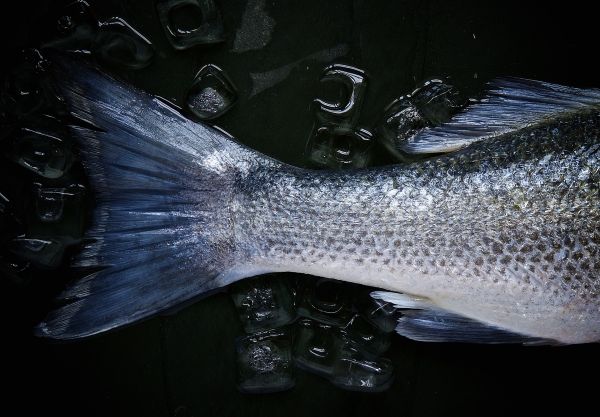
Perhaps that sauteed snapper you enjoyed last evening at your neighborhood restaurant was not snapper at all. Perhaps it was Pacific Ocean perch, cloaked in a wine sauce to disguise its true identity.
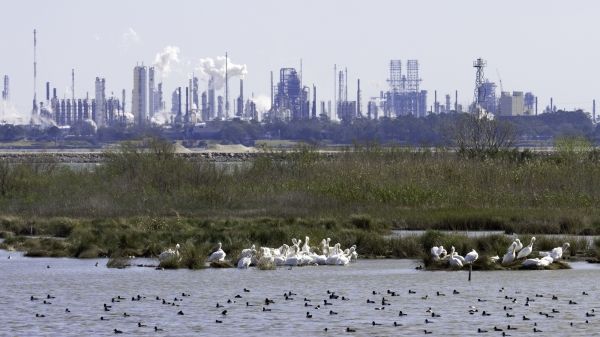
The Texas A&M College of Engineering's James Kaihatu joins a team that will study the vulnerability of petrochemical facilities in Galveston Bay and risks to nearby communities.
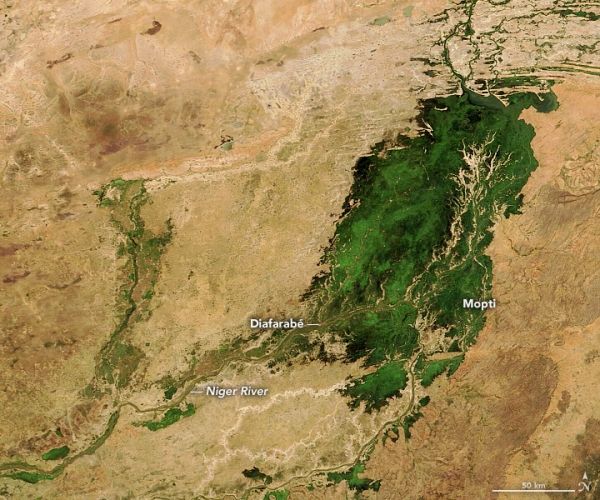
Seasonal floods on the Niger River reached unusual heights in Mali this year.
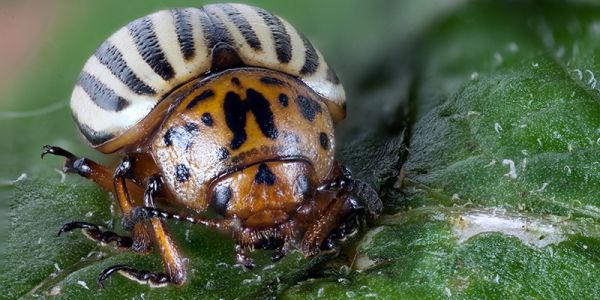
Study shows epigenetic changes, passed to new generations, may solve paradox of rapid resistance
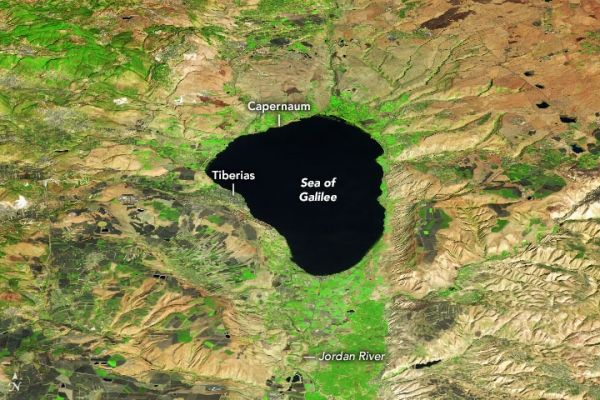
A few wet years have helped reverse a decades-long decline in water levels on one of the world’s most cherished lakes.