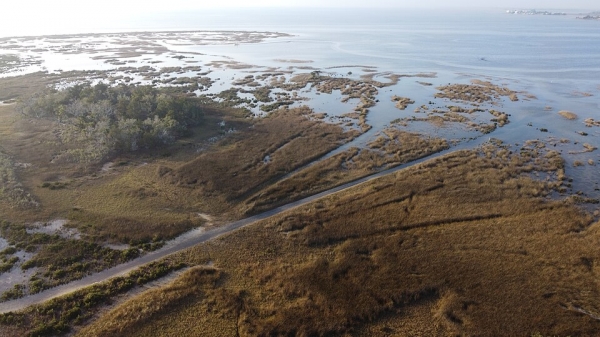
The first national-level assessment of coastal wetland submergence shows most of them may still be able to migrate inland, highlighting the need for strategic coastal management.
 ENN
Environmental News Network -- Know Your Environment
ENN
Environmental News Network -- Know Your Environment

The first national-level assessment of coastal wetland submergence shows most of them may still be able to migrate inland, highlighting the need for strategic coastal management.
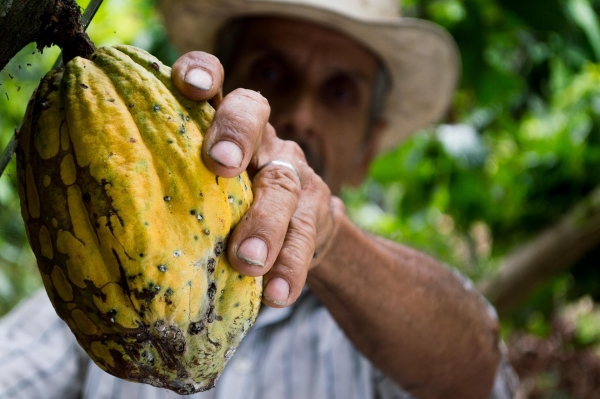
Drought is not the only climate challenge facing cocoa farmers.

Should I stay or should I go?

Study explains why Earth’s ‘twin’ lacks rocky satellite.
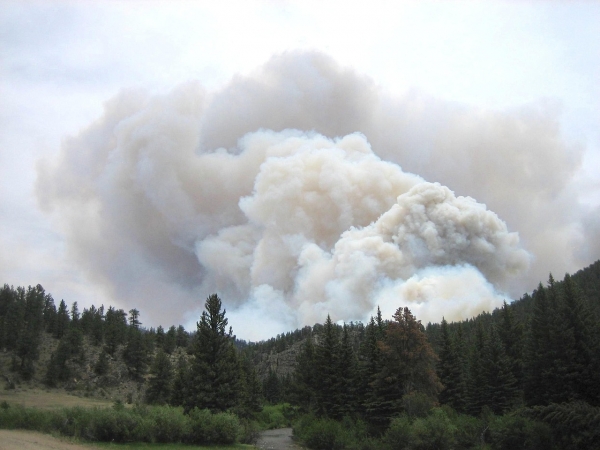
For ecosystems, a forest fire does not end where the flames stop.
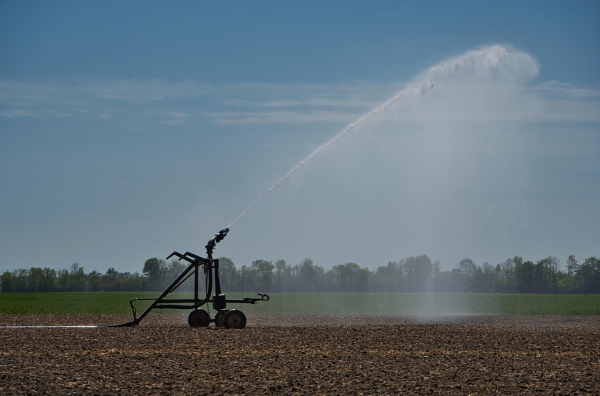
Irrigating U.S. crops prevents higher greenhouse gas emissions by avoiding land conversion, groundbreaking new research by Colorado State University shows.



