
Exposure to light during the nighttime is linked to important and potentially harmful changes to the structure and function of the heart, according to a study of more than 11,000 people published in the European Heart Journal today (Thursday).

articles
1,000 Times Faster Operations Bring Reliable Quantum Computing a Step Closer

So far, quantum computers have been held back by their extreme sensitivity to errors and external disturbances.
Scientists Use Water Isotopes to Map Changes in Amazon Rainfall

The historic droughts of 2023 and 2024 in the Amazon reduced river flows and altered the composition of rainfall in the region.
Coyote Density Is 9 Times Higher in Seattle Than in Washington’s Wild Lands

Once coyotes get a taste for city living, the call of the wild fades to a whisper.
Researchers Tune into Arctic Under-ice Sounds and Test Through-ice Communication
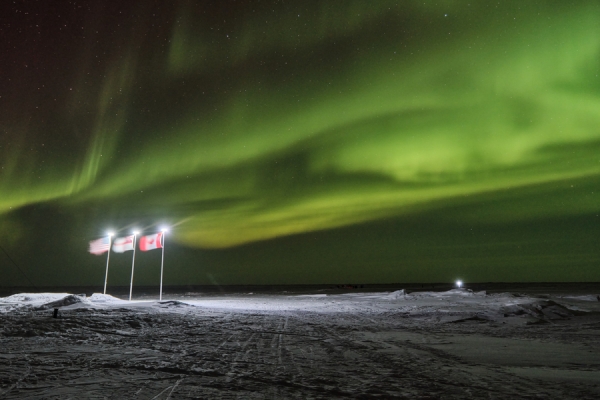
The work is part of a multiyear effort to develop a distributed sensor network for relaying data collected from this critical region.
Dangerous Hot Days Are Spreading Beyond Summer

Extreme heat has become more common—as both research and lived experience show—but when it arrives is a different question.



