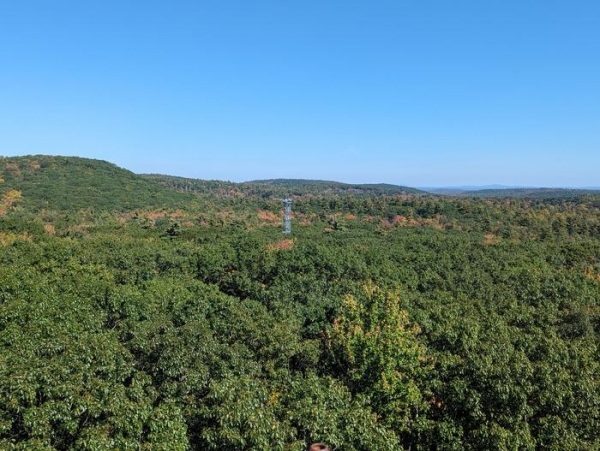
With help from artificial intelligence, West Virginia University researchers are speeding up environmental scientists’ access to time-sensitive data about ecosystem health, allowing experts to respond rapidly to events like droughts or wildfires.
 ENN
Environmental News Network -- Know Your Environment
ENN
Environmental News Network -- Know Your Environment

With help from artificial intelligence, West Virginia University researchers are speeding up environmental scientists’ access to time-sensitive data about ecosystem health, allowing experts to respond rapidly to events like droughts or wildfires.

Decommissioning pipelines used by the oil and gas industry could result in substantial quantities of microplastics being released into the UK’s marine environment annually, a new study has suggested.
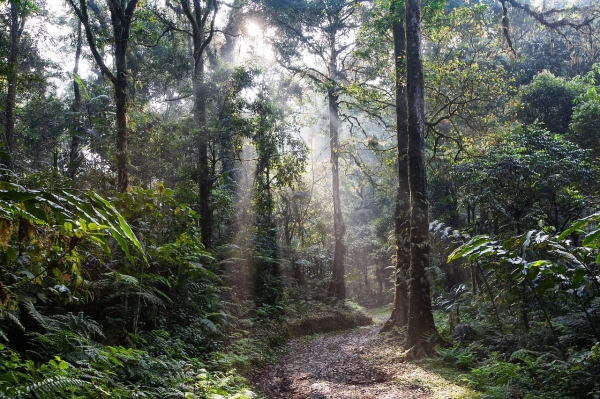
As nations race to restore ecosystems and curb climate change, research has shown that letting nature do the work is a cost-effective and viable solution.
Increasingly hot, dry and windy conditions could substantially extend the area affected by wildfires across Europe, according to a new study led by the Potsdam Institute for Climate Impact Research (PIK) with contributions from the Senckenberg Society for Nature Research.

Dense evergreen plantations in Canada’s boreal forest absorb so much winter sunlight that the resulting surface warming can offset 6 to 20 percent of the climate benefit they are credited with.
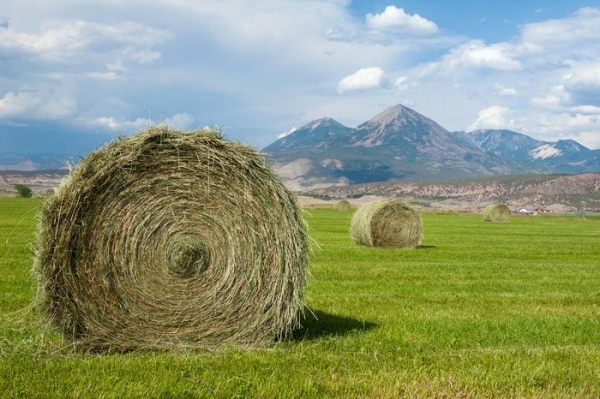
Irrigated mountain hayfields can act as large filtration systems that reduce sediment, phosphorus and other contaminants from runoff, sometimes improving the quality of water flowing back into the environment, Colorado State University research has found.