Scientists identify hydrogen radicals as the key driver in PFAS breakdown, opening the door to more effective and chemical-free water treatment methods.

articles
From Trash to Climate Tech: Rubber Gloves Find New Life as Carbon Capturers Materials
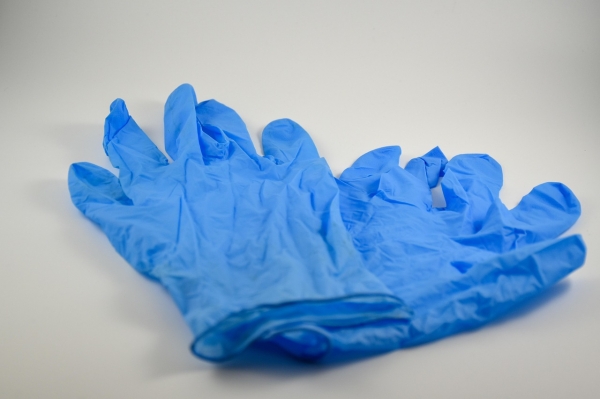
Millions of rubber gloves end up in incineration or landfill, but researchers at Aarhus University have now developed a technology that can turn the used gloves into a way to capture CO₂.
Turning Food Waste Into Carbon Captors
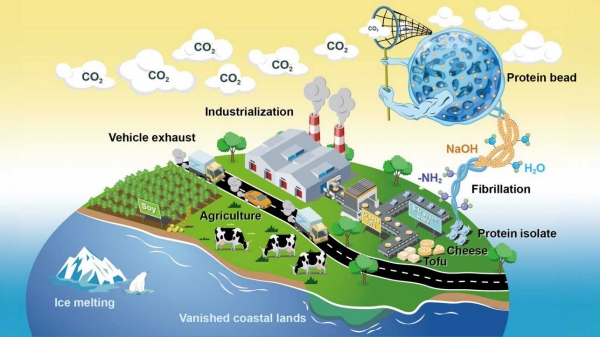
The removal of CO₂ from the atmosphere is considered an important tool in the fight against climate change – but has so far been an energy-intensive and expensive process.
Damage to Boreal Peatlands Fast-Tracks Climate Change
Clear-cutting in peatlands during oil and gas exploration led to 300 per cent more methane emissions.
Toward Battery-Free Artificial Photosynthesis: Stable Fuel Production at Lower Cost

Redesigned electrolyzer generated enough power to run a diorama at Osaka Expo.
Efforts to Save Kelp Forests from Ocean Warming Are Ramping Up

At one time, kelp forests — which shelter fish, slow erosion, and sequester carbon — grew along a third of the world’s coastlines.